
By: Takis Avrantinis
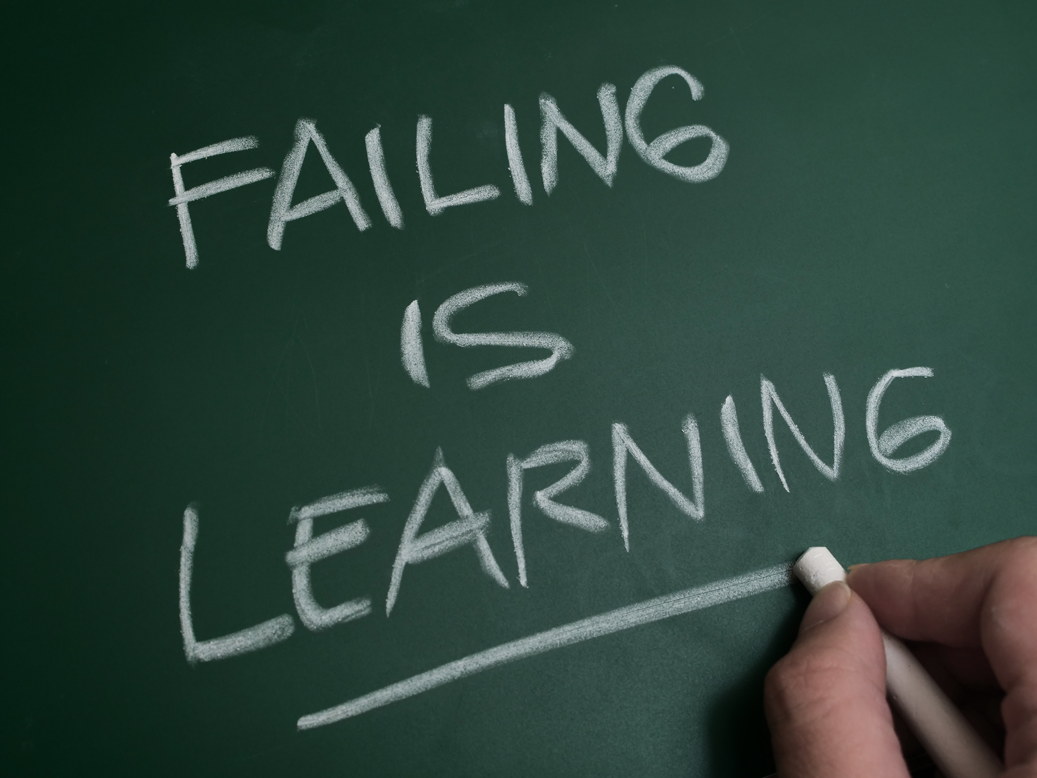
Failure is inevitable in a VUCA environment and can be very productive if managed well. We should know that we can learn much more from failures & mistakes than we can learn from successes. But our mind always keeps the bad moments & experiences and avoid seeing the positive side of a negative situation like a failure. How you handle failure determined by the type of person you are & the leadership style that you follow.
How can you change your response to failure?
· Have Self-awareness: find what type of person you are, what is your purpose, what is your vision, who are you?
· Cultivate Political Awareness: what are the messages that others are receiving? How you show up? How you want to show up?
· Embrace new Strategies: Listen, communicate, as we say, “act like a leader & think like a leader” (Bill George), and reflect on the situation & on the people.
Different people can see the same challenge or event differently according to their personality. Failure provide motivation to learn and to develop your-self as can be a process of updating your theories and finding a new purpose & direction in your life.
Failure can be less painful when you see the learnings & the positive side of a negative situation.
But the essential question remains “how failure can become useful”?
· Keep your options open: as the range of possible outcomes for a course of action expands, the chances of that action succeeding diminish
· Learn what doesn’t work: many successful ventures are built on failed projects
· Create the conditions to attract resources & attention: people tend to move to new projects rather than fixing the systematic problems.
· Make room for new Leaders: In many organizations, leaders are similar with those that have been selected them. Give space to new people and develop the conditions to move and act with responsibility and accountability.
· Develop Intuition & Skills: For gaining experience and knowledge you should had faced on the past failures for being able to learn. Try to develop your skills of how you make decisions and how you can become a better person.
As we have said, failure provide a motivation to learn by challenging yourself, your assumptions and motivations. For increasing your return on failure, you should be able to ask the right questions and write down what you have learned about that experience. Furthermore, you should share the lesson of failure by providing a psychological safe environment with a growth mindset of trust, understanding and openness. Ask from people to think what went wrong and try to avoid similar mistakes in the future. Assign a team to review and write a report of what happened and then share it in the whole organization.
When we make a mistake or feel a failure, we can become the worst enemy of our selves. Try to treat yourself with compassion, humanity (it’s good to remember that you are not along, do not hide and remember that other people can be in similar position) and self-kindness (by not judging negative yourself, give time & space to yourself to clear from that failure and to move on).
Finally, always have in your mind that failure is a valuable learning experience and even is a negative event you should always try to face it with positivity. As we have said, we learn much more from failure than we learn from success.
Takis Avrantinis is an experienced business leader, with a 22-year career, with operational & strategic experience at national and multinational organizations. He has graduated from Harvard Business School – Executive Education (PLD), he holds a PGDip in Organizational Leadership from Oxford University and a Master’s degree in Marketing from Coventry University
© 2022, MINDSET